

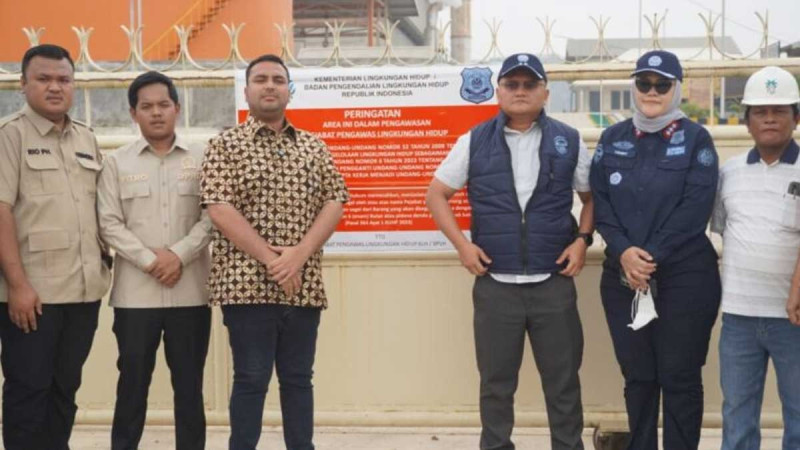
Indonesian Lawmakers Inspect Eight Palm Oil Companies in Riau Over Environmental Compliance
The inspections identified a range of issues involving wastewater management, emissions control, environmental documentation, riverbank protection, and land-fire prevention facilities. Rohid was accompanied by Kuansing Regional House of Representatives member Reky Fitro, Head of the Kuansing Environmental Agency Dodi Fitrawan, and other officials during the field inspections. River Buffer Zones and Plantation Boundaries Under Scrutiny At PT Karya Tama Bakti Mulia (KTBM), the inspection team found that oil palm replanting activities had reportedly not been included in the company's environmental documents. The team also identified oil palm plantings within protected river buffer zones, covering approximately 7.41 hectares along the Batang...
2026/10/26
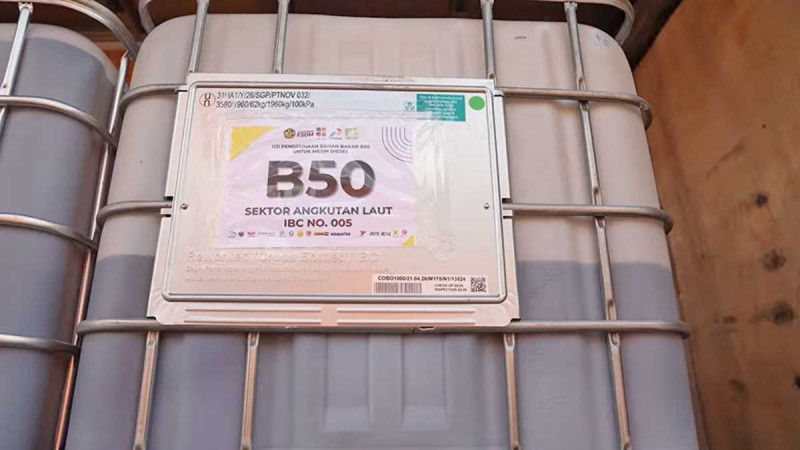
Indonesian Smallholder Palm Oil Processors Seek Greater Role in National Biodiesel Supply Chain
The Indonesian Association of Micro, Small and Medium Palm Oil Mills (GAPPKES MIKEMINO) is urging the government to expand the participation of smallholders and community-based palm oil mills, known as PABKESRA, in the national biodiesel supply chain. The organization argues that Indonesia's biodiesel mandate should do more than strengthen energy security. It should also enable smallholders to participate in processing, industrial development, and the creation of added value from palm oil. GAPPKES MIKEMINO Chairman M. Salim Simangunsong, together with advisory board members Dr. Sabil Rachman and Helmi Djen, said the success of downstream development should be measured partly by how...
2026/10/25
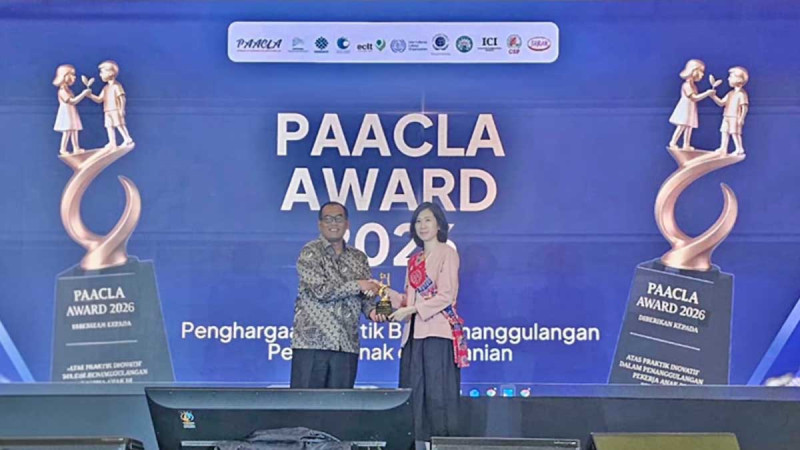
Sinar Mas Agribusiness and Food Wins PAACLA Award 2026 for Child-Friendly Palm Oil Plantations
The company received the award in the category of National Company Affiliated with a Multinational Corporation. The recognition highlights its efforts to protect children's rights, prevent child labor, and create safer environments for children in and around plantation communities. Sinar Mas Agribusiness and Food maintains a policy prohibiting child labor and applies a zero-tolerance approach to employing anyone under the age of 18. The company supports this commitment through worker identity verification and efforts to raise awareness among supply chain partners about the risks associated with child labor. These measures form part of its broader approach to responsible labor practices,...
2026/10/24
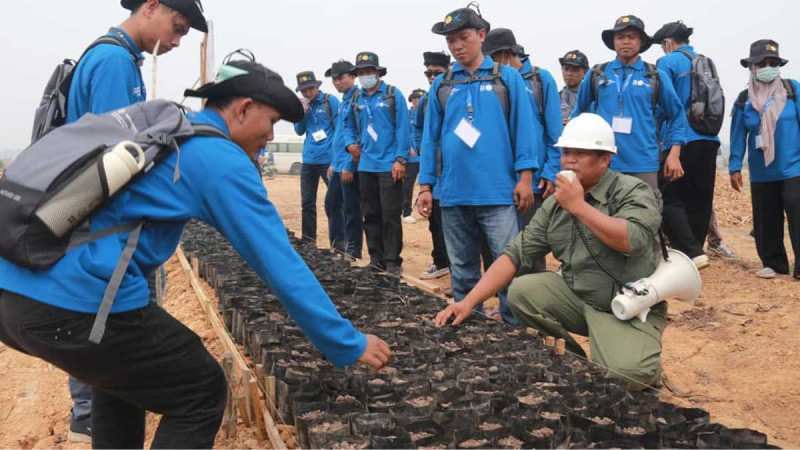
Indonesian Palm Oil Smallholders Urged to Choose Certified Seeds as Training Reaches 176 Farmers
The issue was highlighted during a palm oil cultivation training program attended by 176 smallholders from Ogan Komering Ulu (OKU), South Sumatra. Held in Palembang from September 29 to October 4, 2026, the program was organized through collaboration between the Palm Oil Plantation Fund Management Agency (BPDP), the Directorate General of Plantations, and IPB Training. In an official statement received by on Sunday (October 4, 2026), IPB Training Director Muhammad Sigit Susanto urged smallholders not to base seed purchases solely on price. He said certified planting material offers a more reliable foundation for developing productive plantations. “Petani mestinya memilih bibit...
2026/10/23

Indonesia’s Biodiesel Consumption Surges 13.59% in July, Boosting Domestic Palm Oil Demand
The Indonesian Palm Oil Association (GAPKI) recorded domestic palm oil consumption of 2.275 million tonnes in July, up 3.35% from 2.201 million tonnes in June. Biodiesel accounted for the largest increase, with consumption rising 13.59% month on month to 1.285 million tonnes, from 1.131 million tonnes previously. According to GAPKI Executive Director Mukti Sardjono, the increase in biodiesel consumption stood out against declines in the food and oleochemical sectors. Palm oil consumption for food fell 8.31% to 805,000 tonnes, while demand from the oleochemical industry declined 3.65% to 185,000 tonnes. The figures, released in a statement received by on Tuesday,...
2026/10/22
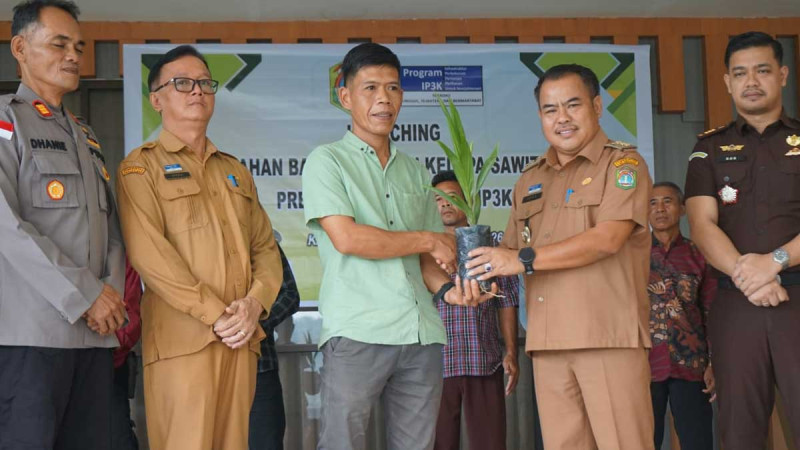
Sekadau Distributes 57,700 Oil Palm Seedlings to Smallholders Under IP3K Program
The seedlings were officially handed over by Sekadau Regent Aron at the regency office on Monday, October 5, 2026. The program is implemented through the local Food Security, Agriculture and Fisheries Agency (DKP3). DKP3 Acting Head Sandae said the IP3K program had been implemented consistently since 2022. By 2026, cumulative assistance had reached 132 farmer groups, covering 2,224 hectares. The seedlings come from authorized suppliers and have undergone certification and labeling by the West Kalimantan Provincial Plantation Seed Supervision and Certification Unit (UPT SBP). Farmers receiving the assistance are expected to transfer seedlings aged three to five months into larger...
2026/10/21

PGN Moves to Integrate Palm Oil Waste-Based Biomethane into Indonesia’s Gas Network
One of the projects nearing the final stages of development is located in South Sumatra and will use palm oil mill effluent (POME) as feedstock to produce biomethane. PGN Corporate Secretary Fajriyah Usman said the project is being developed in collaboration with PT Toyota Tsusho Indonesia (TTI) and PT KIS Biofuels Indonesia (KIS). The partnership aims to expand biomethane utilization while supporting the availability of domestic energy supplies. PGN attended the groundbreaking ceremony for the biomethane facility developed by TTI and KIS on Monday, Oct. 5, 2026. The facility will process organic waste from the palm oil industry and is...
2026/10/20
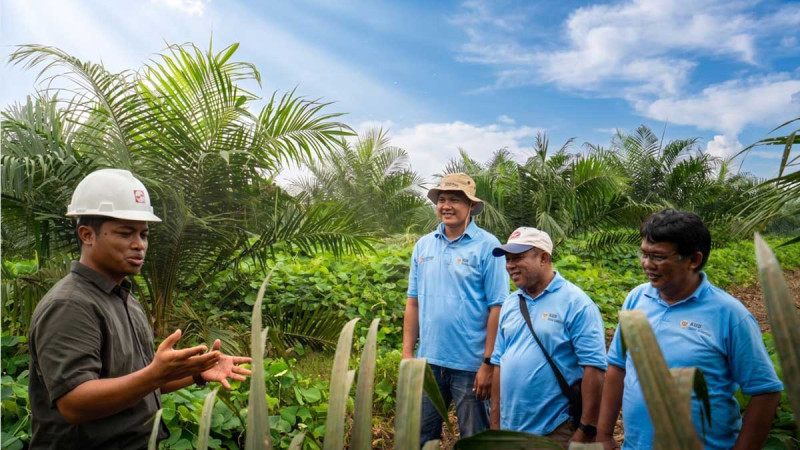
Sinar Mas Supports Palm Oil Smallholders Through Replanting, Financing and Agricultural Training
Arman Fahmi, chairman of KUD Sadar Sejahtera in Beliti Jaya Village, said his cooperative’s experience had demonstrated the importance of collaboration. After previously participating in a plasma partnership, the cooperative operated independently before eventually rebuilding its relationship with a plantation company. He said limited technical knowledge had made independent plantation management more challenging, reinforcing the value of cooperation in improving smallholders’ capabilities. The cooperative is now preparing to participate in the Smallholder Palm Oil Replanting Programme (PSR) with Sinar Mas Agribusiness and Food. The programme covers 1,797 hectares and involves more than 2,000 independent smallholders. Replanting Requires More Than New...
2026/10/19

Indonesia’s Domestic Palm Oil Consumption to Exceed Exports in 2026, IPOSS Forecasts
In its fourth-quarter 2026 outlook, titled Maintaining Room for Growth Amid a New Balance, published on October 14, IPOSS forecasts that domestic consumption will account for 51.3% of Indonesia’s total palm oil utilization in 2026. Exports are projected to represent the remaining 48.7%. The shift comes as national production growth remains relatively modest. IPOSS estimates that Indonesia will produce 52.4 million tonnes of palm oil in 2026, an increase of just 1.86% from 2025. Meanwhile, domestic consumption is projected to rise 7.4% to approximately 27.1 million tonnes, driven primarily by increased demand for biodiesel feedstock following the implementation of the...
2026/10/18
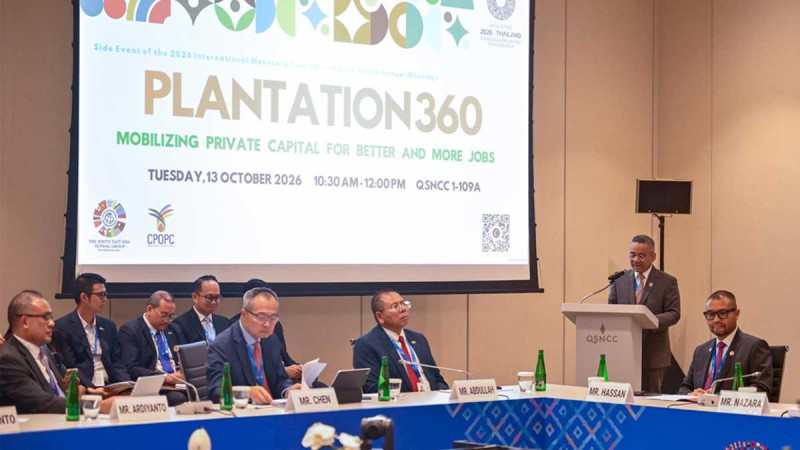
Indonesia’s Finance Ministry Calls for Private Investment to Boost Palm Oil Productivity and Jobs
Speaking at the Plantation360: Mobilizing Private Capital for More and Better Jobs event in Bangkok, Thailand, on Tuesday, October 13, 2026, Suahasil said investment should reach across the palm oil value chain, including initiatives that strengthen the capacity of independent and partnered smallholders. The event was organized by EDS16 in collaboration with the Council of Palm Oil Producing Countries (CPOPC). Suahasil emphasized that palm oil plays a strategic role in Indonesia’s economy, supporting rural livelihoods while supplying raw materials for manufacturing, food production and the energy sector. Indonesia has more than 16.8 million hectares of oil palm plantations, approximately 41%...
2026/10/17

Bandung Sahari Seeks to Change the Narrative Around Indonesia’s Palm Oil Industry
“Why do we always learn about palm oil from foreigners?” asks Bandung, who serves as Head of Communications at the Indonesian Palm Oil Association (GAPKI). For him, the question reflects a broader concern: Indonesia is the world’s largest palm oil producer, yet domestic perspectives and locally generated research do not always receive sufficient attention in international and public discussions. Bandung has spent decades working in the plantation sector and is also involved in environmental and scientific organisations. His affiliations include the Governing Board of Peka Indonesia Foundation, the Peat Society of Indonesia and the Entomological Society of Indonesia. His scientific...
2026/10/16
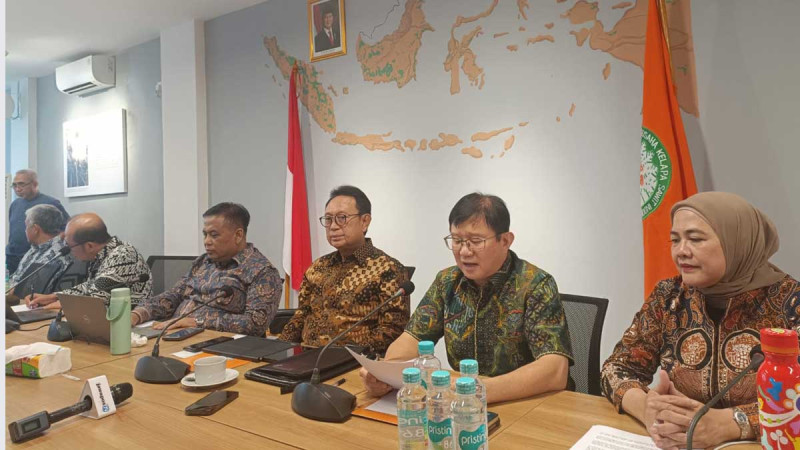
IPOC 2026 to Examine Geopolitics, Energy Security and Global Palm Oil Market Outlook
Held under the theme “Palm Oil in a Fragmented World: Securing Food, Energy, and Economic Resilience,” the conference will take place at The Westin Resort Nusa Dua, bringing together government representatives, market analysts, academics, industry players and international partners. IPOC 2026 organising committee chairman Suryanto Bun said the annual event would provide a platform to examine policy developments and market prospects affecting the palm oil industry in Indonesia and globally. As the world’s largest palm oil producer, Indonesia plays a significant role in global vegetable oil supplies. Domestically, the sector supports food production, cooking oil availability, biodiesel development, export earnings...
2026/10/15
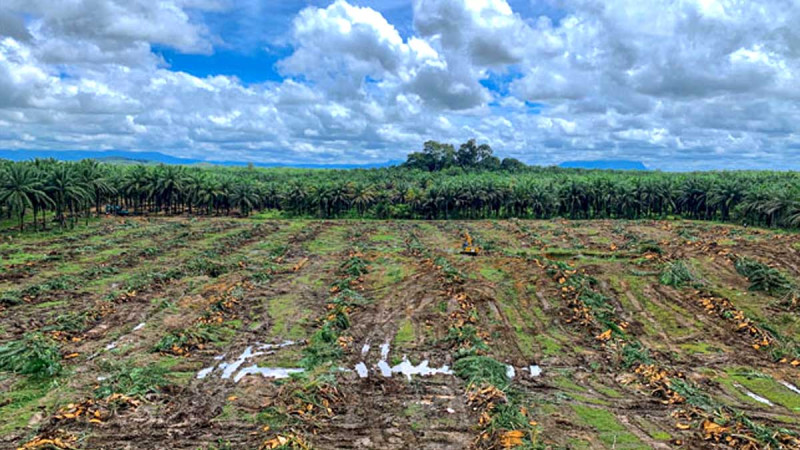
Speaking at a press conference during preparations for the 22nd Indonesian Palm Oil Conference (IPOC 2026) in Jakarta on Friday (9/10/2026), Suryanto Bun, Head of GAPKI’s PSR Acceleration Division, revealed that total replanted area over the past decade reached approximately 428,000 hectares. "While we acknowledge minor administrative improvements and reduced paperwork requirements, fulfilling field compliance remains a persistent hurdle," Suryanto told . Forestry Overlaps and Legal Certainty A major obstacle facing smallholders is securing land legality documentation. The process is particularly complex for smallholder farms operating near or overlapping with designated state forest areas (kawasan hutan), creating administrative deadlocks that...
2026/10/14
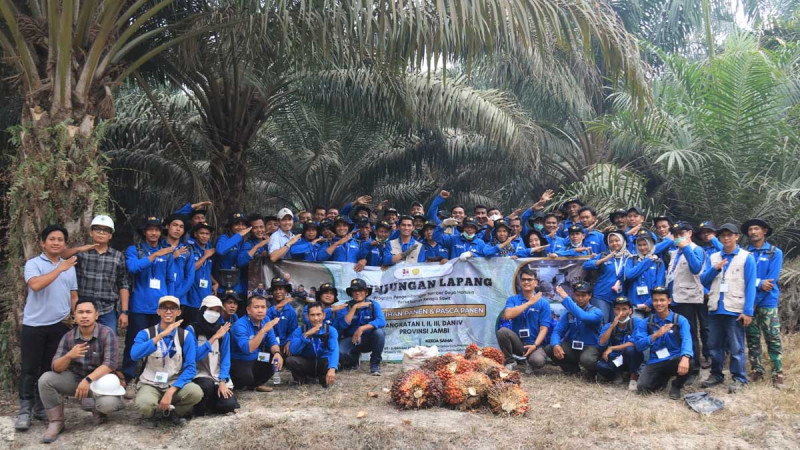
Jambi Trains 118 Oil Palm Smallholders in Harvesting and Post-Harvest Management
These issues were at the centre of a harvesting and post-harvest training programme attended by 118 oil palm smallholders from Tebo, Sarolangun and Batanghari regencies in Jambi Province. Held from October 7–11, 2026, the programme formed part of Indonesia’s 2026 Oil Palm Plantation Human Resource Development Programme, a collaboration involving the Plantation Fund Management Agency (BPDP), the Directorate General of Plantations at the Ministry of Agriculture, and IPB Training. According to a report by Kabarku on the programme, Prof. Dr. Ir. Hariyadi, MS, head of the IPB Training team, emphasised the importance of proper harvesting techniques in determining plantation output....
2026/10/13
Indonesia Reclaims 6.2 Million Hectares of Forest Areas Linked to Oil Palm Plantations
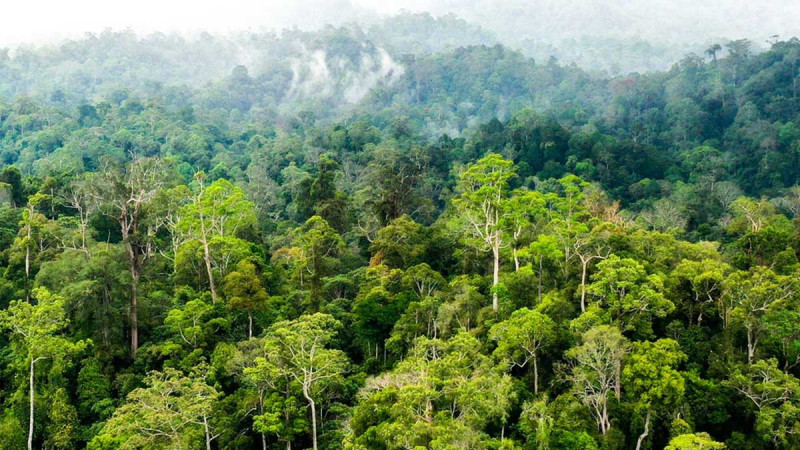
Attorney General ST Burhanuddin, who also serves as Deputy Chair I of the task force’s steering committee, announced the achievement during a briefing at the Attorney General’s Office on Tuesday, October 6, 2026. “Since its establishment in February 2025, the task force has successfully reclaimed 6,206,212.14 hectares of forest areas. In the mining sector, it has reclaimed 14,633.79 hectares,” Burhanuddin said. 259,000 Hectares Transferred to Forestry Ministry During its eighth enforcement phase, Satgas PKH transferred 259,230.73 hectares of forest areas to the Ministry of Forestry. Of this total, 140,762.04 hectares are slated to be handed over to state-owned PT Agrinas...
2026/10/12
India Turns to Palm Oil as Russian Sunflower Oil Shipments Disrupted by War
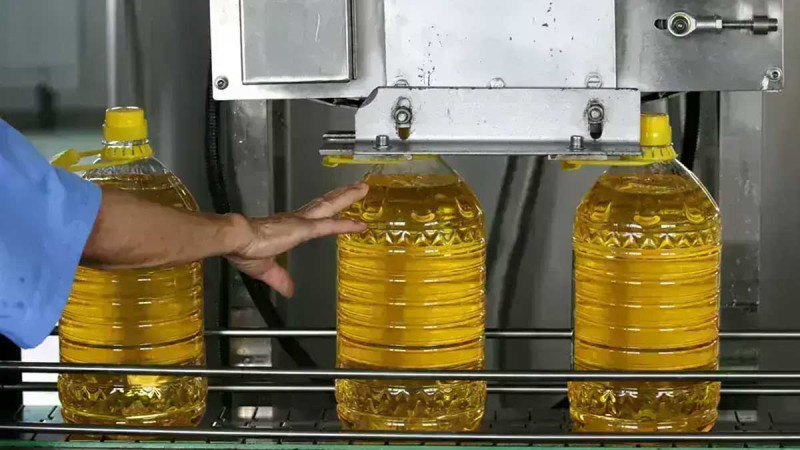
A cargo of around 20,000 tonnes of Russian sunflower oil bound for India was cancelled after damage to port infrastructure in the Black Sea region prevented the supplier from fulfilling the shipment. A further 60,000 tonnes of sunflower oil destined for India have also faced delays. Sandeep Bajoria, president of the International Sunflower Oil Association and chief executive of Mumbai-based Sunvin Group, said cancellations of sunflower oil shipments were unusual in the market. “Washouts of this kind are rare. But Black Sea infrastructure is now being damaged by the war,” Bajoria said, as reported by Reuters and published by on...
2026/10/11
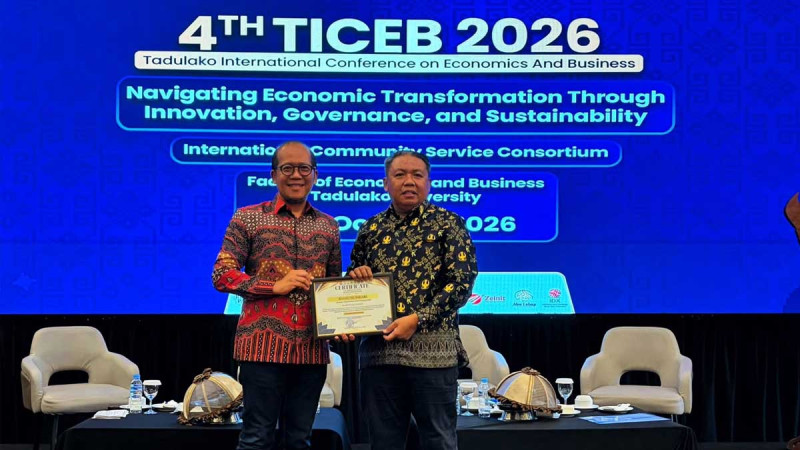
Indonesia Faces Potential 27 Million-Tonne Palm Oil Supply Deficit by 2045
Bandung Sahari, head of communications at the Indonesian Palm Oil Association (GAPKI), said the industry contributes to the national economy through more than crude palm oil (CPO), with its derivatives serving the food, industrial and energy sectors. Indonesia produces approximately 49 million metric tonnes (MT) of the world’s estimated 85 million MT of palm oil, accounting for around 58% of global output. Bandung also noted that Indonesia supplies approximately 22% of global vegetable oil. However, without significant production growth, Indonesia could face a palm oil supply deficit of up to 27 million MT as it seeks to meet domestic demand...
2026/10/10
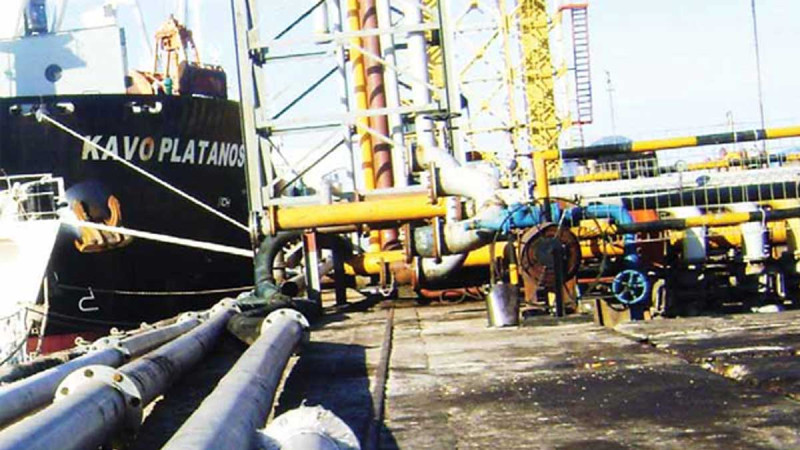
Indonesia Palm Oil Exports Fall in July as Shipments to India and Russia Slump
The Indonesian Palm Oil Association (GAPKI) recorded total exports of palm oil products at 3.188 million tonnes in July, down 2.67% from 3.275 million tonnes in June. Executive Director of GAPKI, Mukti Sardjono, said the decline was reflected across several product categories. CPO exports fell 25.70% to 249,000 tonnes, from 335,000 tonnes in June. Exports of processed palm oil products declined 2.57% to 2.296 million tonnes, while shipments of processed palm kernel oil products fell 14.60% to 99,000 tonnes. Oleochemical exports, however, provided some support, rising 14.94% to 537,000 tonnes from 467,000 tonnes a month earlier. “In the midst of...
2026/10/09
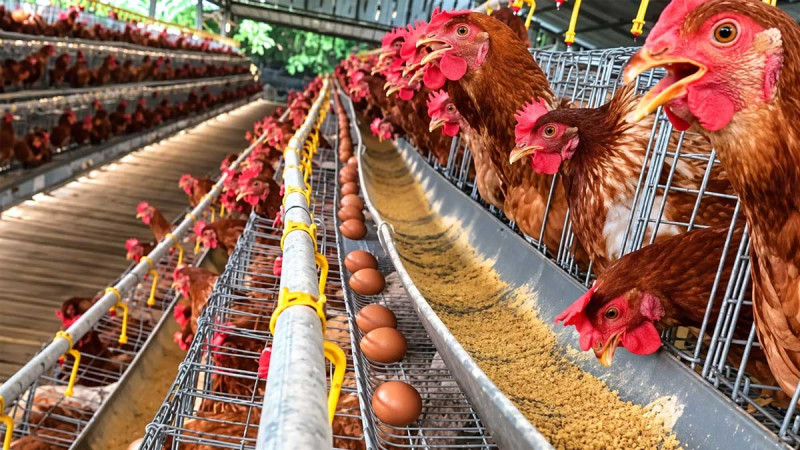
Indonesia Explores Palm-Based Alternatives to Soybean Meal in Poultry Feed
Makmun, Director of Livestock Downstreaming at the Ministry of Agriculture, said palm-based ingredients could help reduce SBM imports if their share in feed formulations could be raised to more than 10%. “If it can exceed 10%, it would reduce our SBM imports, as these could be substituted with palm-based materials. Hopefully, the research can move faster,” Makmun said during a regional inflation control coordination meeting in 2026, monitored through the Ministry of Home Affairs’ official YouTube channel on Tuesday, October 6, 2026. According to information reported by , the use of palm-based materials in poultry feed remains limited, partly because...
2026/10/08
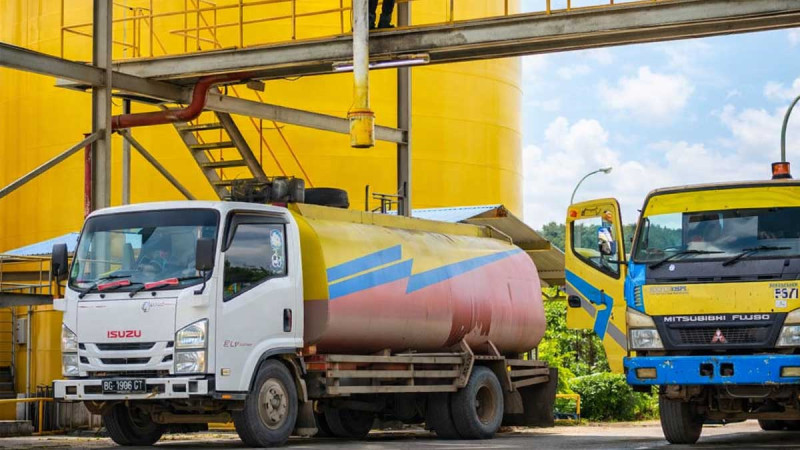
US Blocks Palm Oil Imports from Indonesia’s MAR and HIP Over Forced Labor Concerns
Under the orders, CBP officers at US ports of entry will detain shipments covered by the restrictions. The agency said its decision followed a review of evidence indicating reasonable grounds to suspect that forced labor had been used in the production of palm oil and related products from the two companies. “Mengeksploitasi pekerja adalah tindakan yang tidak manusiawi serta merugikan keamanan ekonomi dan nasional kita,” said Susan S. Thomas, Executive Assistant Commissioner of CBP’s Office of Trade, as reported by , citing Kompas on Monday (October 5, 2026). Thomas warned that labor exploitation extends beyond workplace conditions, potentially harming workers...
2026/10/07
