

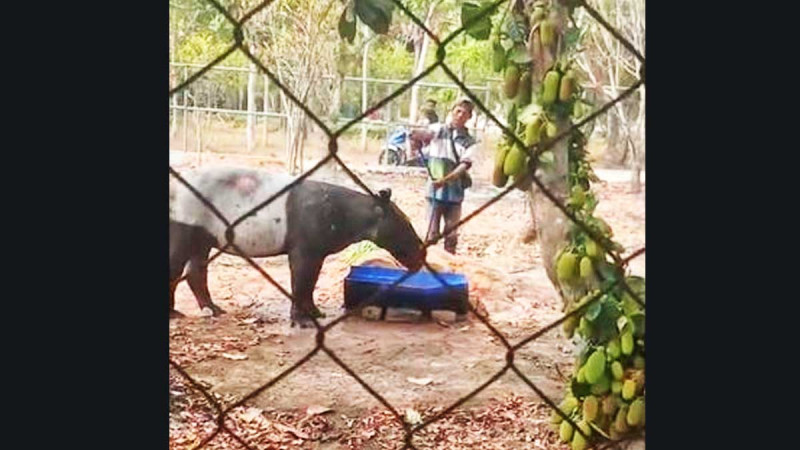
Female Sumatran Tapir Rescued from Drainage Canal at Palm Oil Plantation in Mesuji
The protected animal was evacuated on Monday, September 21, 2026, by the Bengkulu Natural Resources Conservation Agency (BKSDA), together with local authorities, police, the plantation company and surrounding communities. According to an official statement obtained by from BKSDA Bengkulu, the tapir was first spotted by PT PAL workers on Sunday morning at around 8 a.m. The animal was moving through an area dominated by oil palms, rubber trees and shrubs. By around 2 p.m., the tapir had fallen into a drainage canal and was unable to climb out on its own. The rescue operation was subsequently carried out with consideration...
2026/09/28
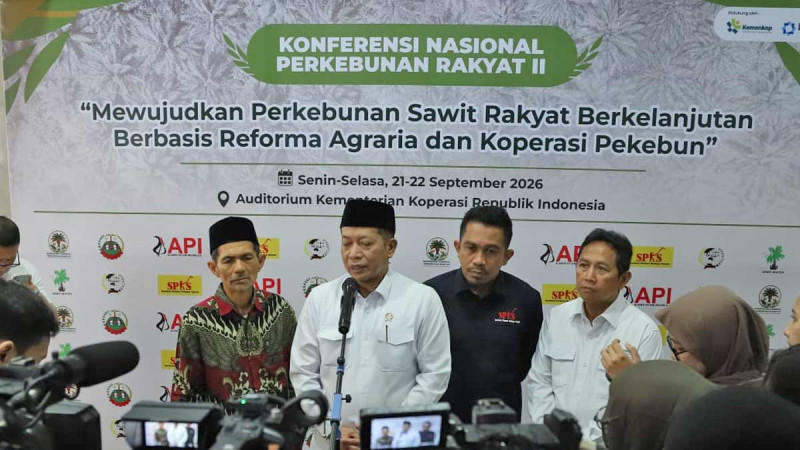
Indonesian Smallholders Push for Agrarian Reform and Greater Access to Palm Oil Downstreaming
The demands emerged from the Second National Smallholder Plantation Conference, held under the theme “Building Sustainable Smallholder Palm Plantations Based on Agrarian Reform and Smallholder Cooperatives.” The forum brought together smallholder representatives from various parts of Indonesia. The conference was initiated by the Indonesian Farmers Union (SPI), Indonesian Farmers Alliance (API), Indonesian Human Rights Committee for Social Justice (IHCS), Indonesian Palm Oil Farmers Organization (POPSI), Sawit Watch and the Indonesian Oil Palm Farmers Union (SPKS). The event, opened by Cooperatives Minister Ferry Joko Juliantono, discussed agrarian reform, protection of smallholders’ managed land during forest-area restructuring and the strengthening of cooperatives...
2026/09/27
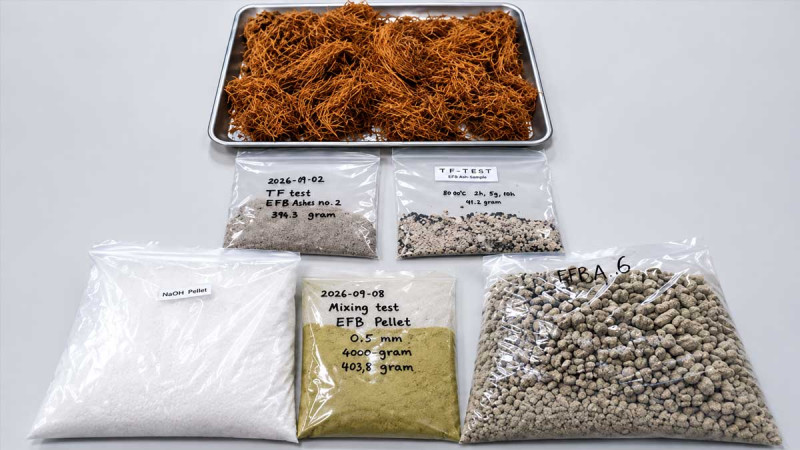
BRIN and Sumitomo Develop 100% EFB Boiler Technology to Turn Palm Waste into Biomass Energy
According to information obtained by from BRIN, the collaboration is developing technology that could enable boilers to operate using up to 100% EFB as fuel, without requiring fossil fuels or other biomass materials as a mixture. The research covers several stages, including fuel upgrading, combustion-characteristic testing and boiler design development tailored to the properties of EFB. BRIN’s Head of the Energy Conversion Research Center, Tata Sutardi, said direct utilization of EFB still faces several technical challenges. The material has relatively low calorific value, while its moisture, alkali and chlorine content are relatively high. These characteristics can affect combustion efficiency and...
2026/09/26
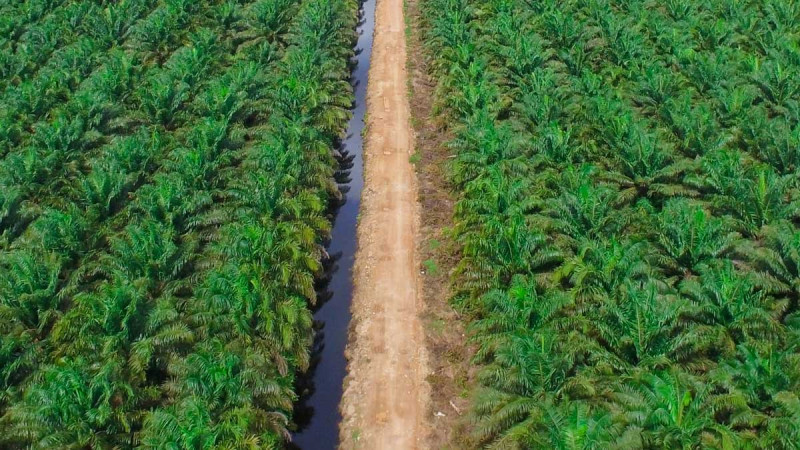
SPKS Calls for Agrarian Reform Bill to Strengthen Land Rights for Oil Palm Smallholders
According to information received by from SPKS on Wednesday, September 23, 2026, the organization said the Agrarian Reform Bill should serve as an instrument to implement and strengthen the mandate of Law No. 5 of 1960 on Basic Agrarian Principles. SPKS said agrarian reform should not be viewed solely as a matter of land administration or land redistribution. The organization also links the policy to changes in agrarian structures, greater certainty over community land rights, reducing inequality in land control, resolving conflicts and maintaining local livelihoods. SPKS Highlights Smallholder Plantations in Forest Areas One of the issues raised by SPKS...
2026/09/25
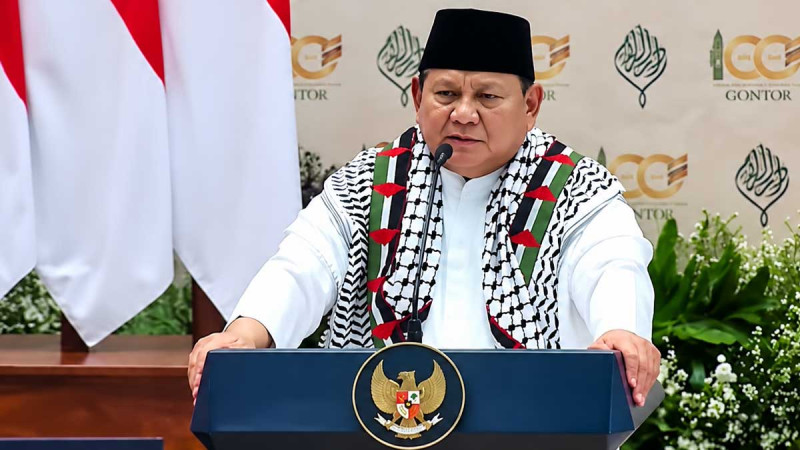
Prabowo Calls Palm Oil a “Miracle Crop” as Indonesia Expands Biofuel Ambitions
Prabowo made the remarks during the thanksgiving reception marking the 100th anniversary of Pondok Modern Darussalam Gontor in Ponorogo, East Java, on Saturday, September 19, 2026. In his speech, Prabowo pointed to Indonesia’s ability to produce diesel fuel from palm oil as an example of how the country’s plantation resources can be converted into energy. “Alhamdulillah kita sudah bisa produksi solar dari kelapa sawit,” Prabowo said. The President described palm oil as a crop with broad applications, referring to it as a miracle crop because of the variety of products that can be derived from it. According to Prabowo, palm...
2026/09/24
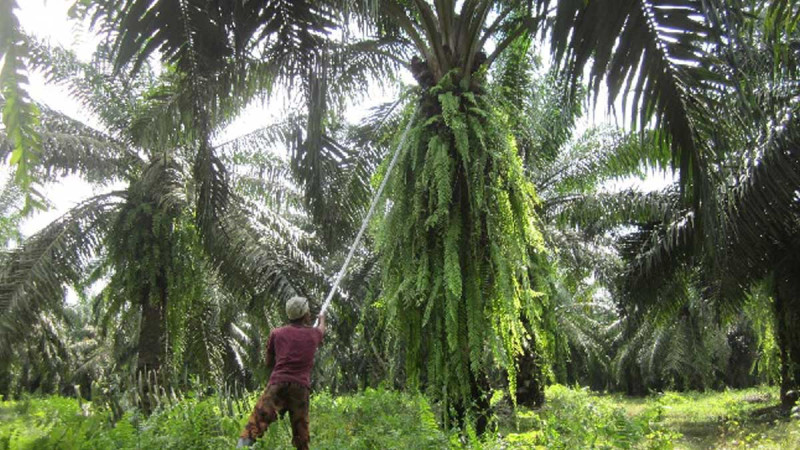
Palm Oil Companies Urged to Detect Early Signs of Harvester Turnover
Harry Agug Pratama, Dept Head of HR Business Partner & Organisation Development at PT Pasifik Agro Sentosa, said the company has developed a monitoring system as part of its efforts to retain harvesters. He shared the approach during IPS Planter Talks 2026 Series 1, themed “Palm Oil Human Resources Emergency,” held on Saturday (September 19, 2026). Rather than waiting until a shortage occurs and then recruiting new workers, companies also need to monitor their existing workforce, Harry explained. Changes in employee behavior can provide an indication that a worker may be considering leaving the company. Attendance is one of the...
2026/09/23

Palm Oil Sector Records High VAT Overpayment Exposure, UI Study Finds
The study examined the ratio of VAT overpayments to cash and cash equivalents at 16 publicly listed companies over 10 quarters, covering the period from the first quarter of 2024 to the second quarter of 2026. As reported by , the study, titled Formulation and Implementation of VAT Refunds for Sustainable Economic Growth, was released on September 16, 2026. Researchers found that VAT overpayment exposure was not evenly distributed among companies. Instead, the exposure tended to be concentrated in particular industries and businesses with specific transaction characteristics. Palm Oil Issuer's Ratio Reaches 157.2% Within the palm oil sector, one listed...
2026/09/22

Indonesia Agrarian Reform Bill Draws Scrutiny Over Palm Oil Land Conflicts and Plantation Workers
The House of Representatives’ Legislative Body, or Baleg, formed a working committee (Panja) in September 2026 to discuss the bill with the government. For the palm oil sector, the proposed legislation could have implications for communities, smallholders and plantation companies involved in longstanding land disputes. Sawit Watch Executive Director Achmad Surambo said several provisions in the draft need further clarification to ensure agrarian reform can address actual land tenure and redistribution issues rather than focusing mainly on administrative procedures. One issue concerns the proposed objects of agrarian reform. Article 30 of the draft reportedly includes former Cultivation Rights (HGU) land...
2026/09/21

Around 200 Palm Oil Scholarship Candidates Reportedly Lose Their Selection Status
The information was contained in an open letter addressed to the President Director of the Plantation Fund Management Agency (BPDP). Signed by representatives of Palm Oil Scholarship alumni, the letter calls for clarity over the status of the affected candidates. According to the letter, the candidates had previously been officially declared successful and were subsequently included in an official coordination group for scholarship recipients. The situation reportedly changed after their selection status was cancelled. The alumni representatives attributed the cancellation to technical issues involving PDDIKTI and LLDIKTI data synchronization. For the affected candidates, the issue reportedly extends beyond an administrative...
2026/09/20

MPOC Brings Palm Oil Bioactive Research Into Focus at India Forum
The Malaysian Palm Oil Council (MPOC) brought the discussion to India through Palm Conversations International India 2026 (PCI), held in Mumbai on August 24. The forum gathered researchers, healthcare professionals, nutrition experts, policymakers and industry representatives to discuss palm oil, nutrition and emerging research on bioactive compounds. Held under the theme “Bioactive Power from the Palm: Reimagining Health for a World Facing Non-Communicable Diseases (NCDs),” the event was also positioned as part of efforts to strengthen scientific and commercial ties between Malaysia and India, one of Malaysia’s major palm oil markets. Among the studies discussed was a review examining the...
2026/09/19
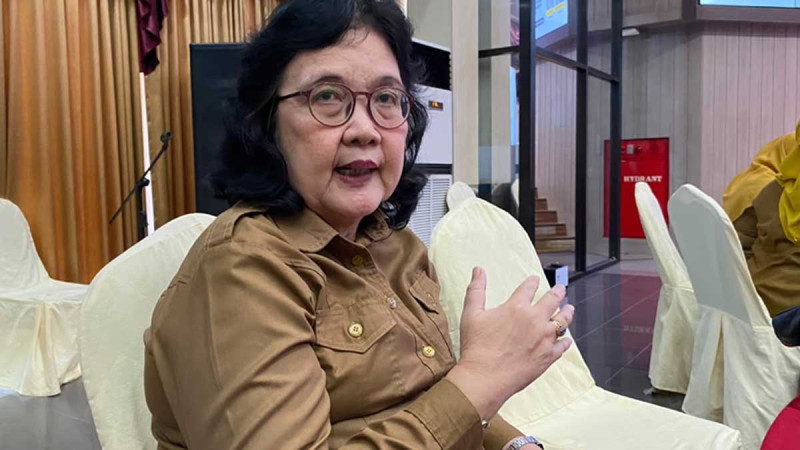
East Kutai Urges Palm Oil Companies to Strengthen Gender-Responsive Work Practices
The approach is intended to help create workplaces that are safe, fair and humane while providing equal opportunities for male and female workers. According to the East Kutai administration, gender-responsive employment policies need to recognize that male and female workers can have different needs and circumstances. The approach is also expected to strengthen labor protection, particularly for women working in the palm oil sector. DPPPA East Kutai policy analyst Femmy Macawalang said the local government already had policy foundations related to gender mainstreaming and would continue strengthening implementation through collaboration with stakeholders. She said gender-responsive policies should not simply mean...
2026/09/18
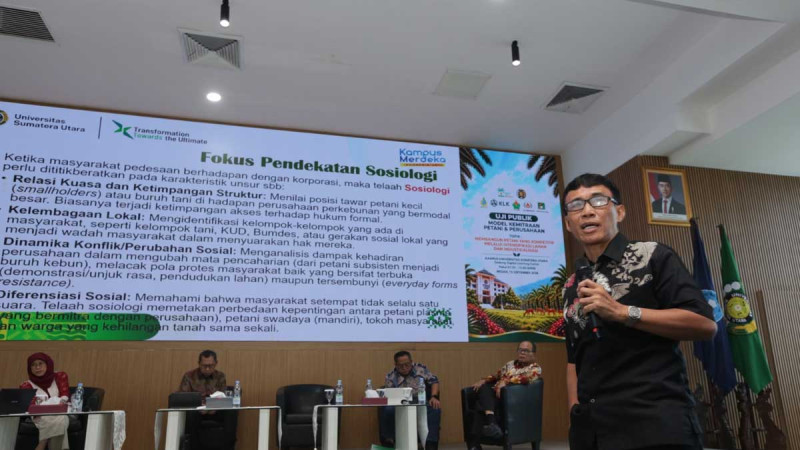
USU Researchers Call for Sociology and Anthropology to Strengthen Palm Oil Smallholder Partnerships
USU social and economic researcher Yusak Maryunianta said company–smallholder partnerships and conflict resolution have often relied heavily on formal regulatory or legal mechanisms and material considerations. However, conflicts originating from palm oil partnership arrangements can affect broader community relations, social structures and cultural life. Yusak made the remarks during a public consultation discussion organized by Rumah Sawit Indonesia (RSI) and USU in Medan. The discussion carried the theme “Smallholder–Company Partnerships in Building Reliable and Competitive Smallholders through Land Intensification and Industrialization.” According to Yusak, a fair and sustainable partnership should begin with a better understanding of local communities. From a...
2026/09/17
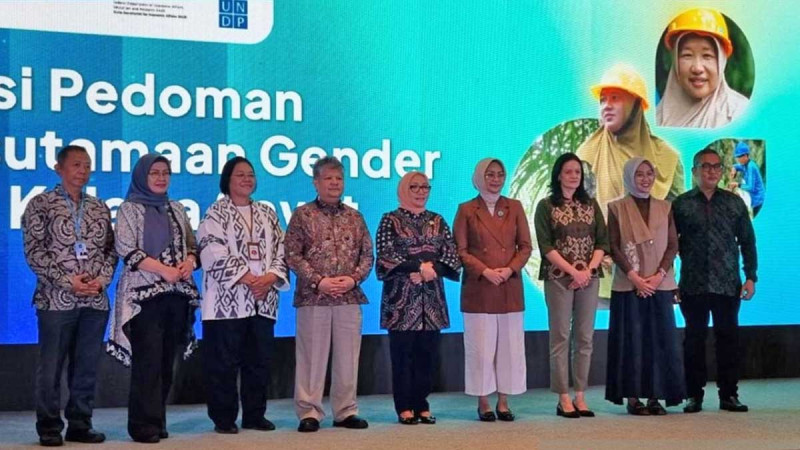
Indonesia Pushes Gender Mainstreaming in Palm Oil Sector to Boost Women’s Productivity
Minister of Women’s Empowerment and Child Protection (PPPA) Arifah Fauzi said the government’s gender mainstreaming guidelines for the palm oil sector were not intended to create additional burdens for companies. Instead, the guidelines are designed to ensure that women involved in the plantation industry have their rights protected while being given greater opportunities to improve their productivity. “The gender mainstreaming guidelines for the palm oil plantation sector are not intended to make things difficult for companies, but to ensure that women involved in the palm oil plantation sector can become more productive,” Arifah said during the Socialisation of Gender Mainstreaming...
2026/09/16
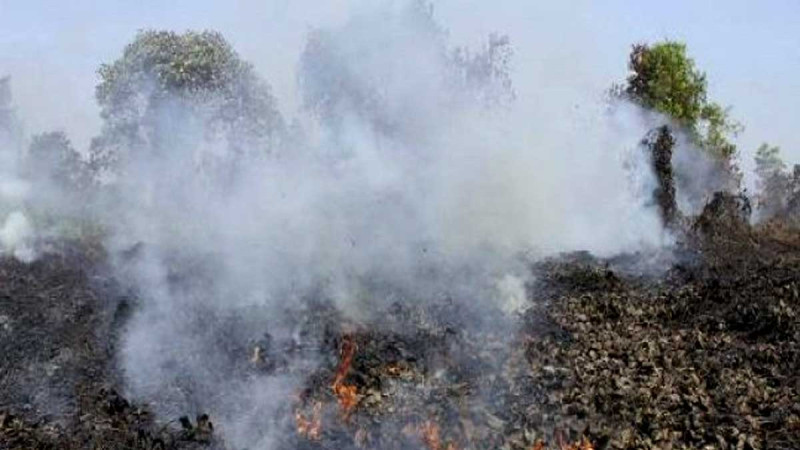
Karhutla Policy Draws Criticism as Sawit Watch Says Palm Oil Workers Remain Unprotected
Sawit Watch said Presidential Instruction (Inpres) No. 11 of 2026 on Strengthening Enforcement of the Ban on Land Clearing by Burning and Controlling Forest and Land Fires has not adequately addressed the protection of palm oil plantation workers. In a press statement dated Sept. 10, 2026, Sawit Watch Executive Director Achmad Surambo said forest and land fires in several palm oil-producing areas had directly affected workers. The Ministry of Health recorded more than 10 million people affected by forest and land fires across seven provinces: West Kalimantan, Central Kalimantan, South Kalimantan, East Kalimantan, Jambi, Riau and South Sumatra. Surambo said...
2026/09/15
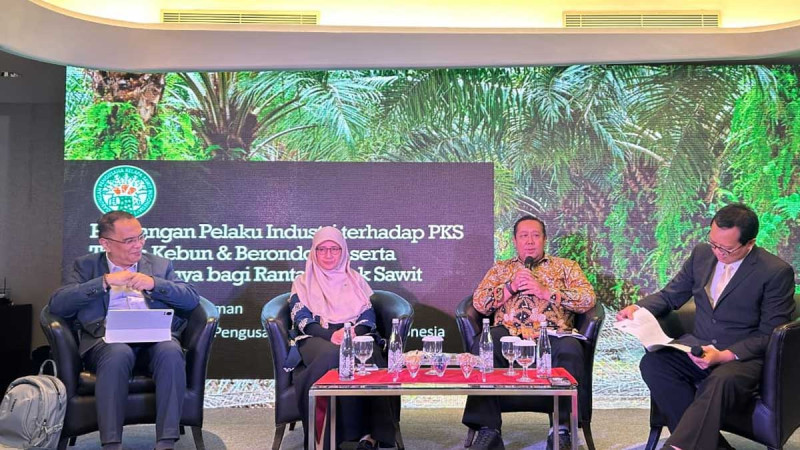
GAPKI Warns Unregulated Palm Oil Mills Threaten Indonesia’s Supply Chain Traceability
GAPKI has warned that poorly supervised mills could contribute to a range of problems, including fresh fruit bunch (FFB) theft, plantation-related conflicts and difficulties in tracing the origin of palm oil feedstock. The issue was raised during a multi-stakeholder forum titled Strengthening a Transparent, Inclusive and Sustainable Palm Oil Supply Chain, organized by the United Nations Development Programme (UNDP) in Jakarta on Thursday, September 10, 2026. The forum brought together government representatives, industry players, farmer organizations, academics, international development partners and civil society groups. GAPKI Deputy Chairman for General Affairs II, Susanto, said the palm oil industry plays a strategic...
2026/09/14
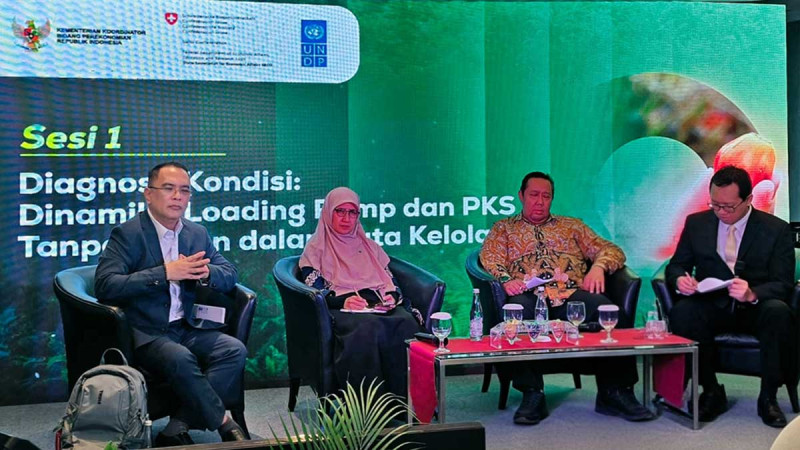
Ahead of EUDR, Indonesia Urged to Regulate Loading Ramps and Palm Oil Mills Without Plantations
The facilities serve as collection points where Fresh Fruit Bunches (FFB) from independent smallholders are purchased, weighed, sorted, consolidated, and subsequently delivered to palm oil mills. The issue was discussed by Dr. M. Windrawan Inantha, Strategic Advisor at CECT Sustainability, Universitas Trisakti, during a multi-stakeholder forum titled Strengthening a Transparent, Inclusive and Sustainable Palm Oil Supply Chain that Meets ISPO and EUDR Requirements, organized by UNDP Indonesia in Jakarta on September 10, 2026. Speaking during a session on the dynamics of loading ramps and palm oil mills without plantations, Windrawan said loading ramps should not automatically be treated as a...
2026/09/13
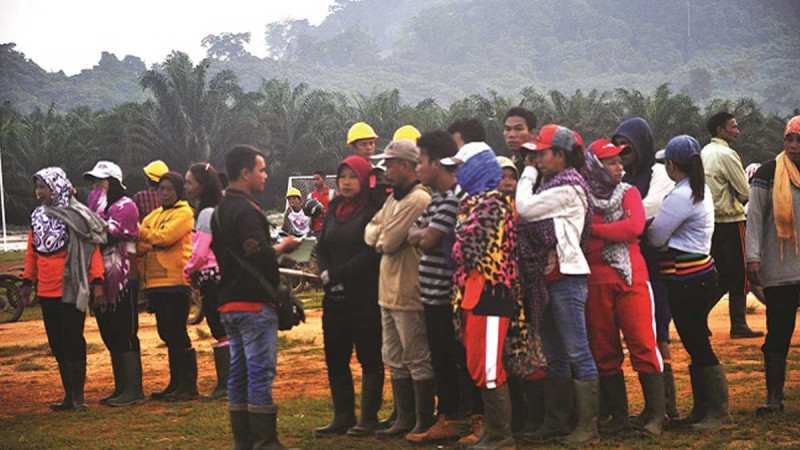
Sumatra, Kalimantan Forest Fires Raise Safety Concerns for Palm Oil Workers
The Transnational Palm Oil Labour Solidarity (TPOLS) network has raised concerns about the protection of plantation workers amid deteriorating air quality. According to the network, workers in several palm oil plantations have reportedly been required to continue working despite heavy smoke reducing visibility and making breathing more difficult. Citing a statement received by on Wednesday, September 9, 2026, TPOLS said the situation had been reported at plantation sites in both Kalimantan and Sumatra. Workers said plantation activities continued even as smoke began to affect their breathing and daily work in the field. One of the workers, Damianus Fansi, from Central...
2026/09/12
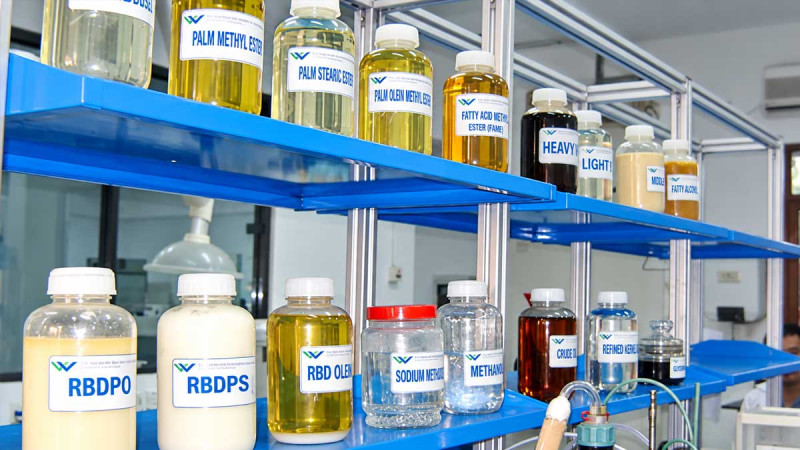
BRIN Calls for Research-Driven Diversification of Indonesia’s Downstream Palm Oil Products
The agency is promoting broader diversification of palm oil-based products as part of an effort to strengthen the competitiveness of Indonesia’s palm oil industry and create greater added value from the country’s strategic commodity. As reported by from BRIN on Wednesday (September 9, 2026), Hens Saputra, Head of BRIN’s Research Center for Process Technology, said the development of the palm oil industry should increasingly be viewed through the lens of value creation. “It's not about how much palm oil is produced, but how much value can be added,” Hens said. In his view, this perspective opens opportunities to position palm...
2026/09/11
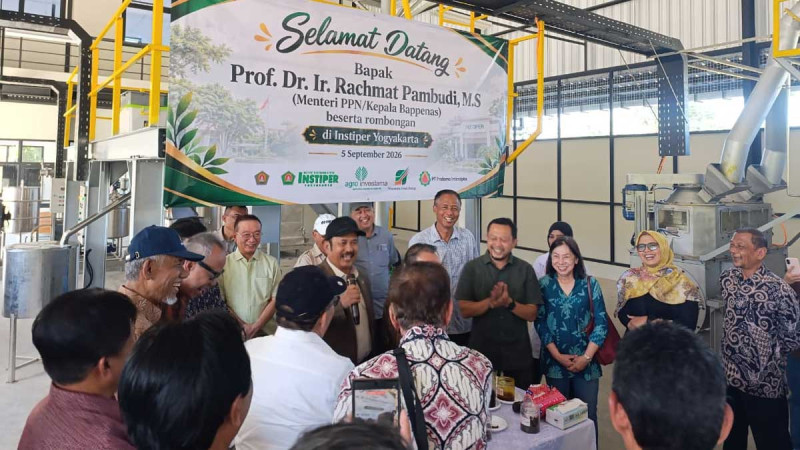
Bappenas Says Palm Oil Downstreaming Must Begin with Upstream Sector Reform
Rachmat made the statement during a visit to a palm oil processing facility using Steamless Palm Oil Technology (SPOT) at the INSTIPER Yogyakarta campus on Saturday, September 5, 2026. During the visit, Rachmat highlighted the importance of increasing plantation productivity, improving resource efficiency, and strengthening environmental management as part of efforts to reinforce Indonesia’s palm oil industry. According to him, the government’s downstreaming agenda will not achieve optimal results if problems in the upstream or on-farm sector remain unresolved. “The essence is that Bappenas has been tasked with handling downstreaming. Palm oil downstreaming can only happen if the on-farm sector...
2026/09/10
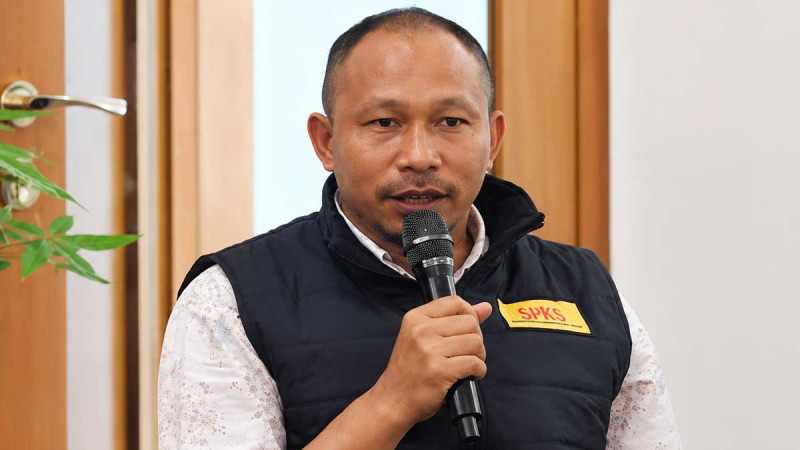
SPKS: Palm Oil Plantation Enforcement in Forest Areas Must Be Followed by Legal Certainty
Marselinus Andri, Head of Advocacy at the Smallholders Palm Oil Union (SPKS), made the statement during the Pre-National Conference Webinar on Smallholder Plantations II attended by , on Friday, September 4, 2026. According to Andri, enforcement measures undertaken by the Forest Area Enforcement Task Force (Satgas PKH) have yet to answer the central questions of who owns or controls the land, how control over the land was established, and what legal certainty is available to farmers who have been managing the plantations. He said spatial mapping is important as an initial step, but it cannot be the sole basis for...
2026/09/09
