

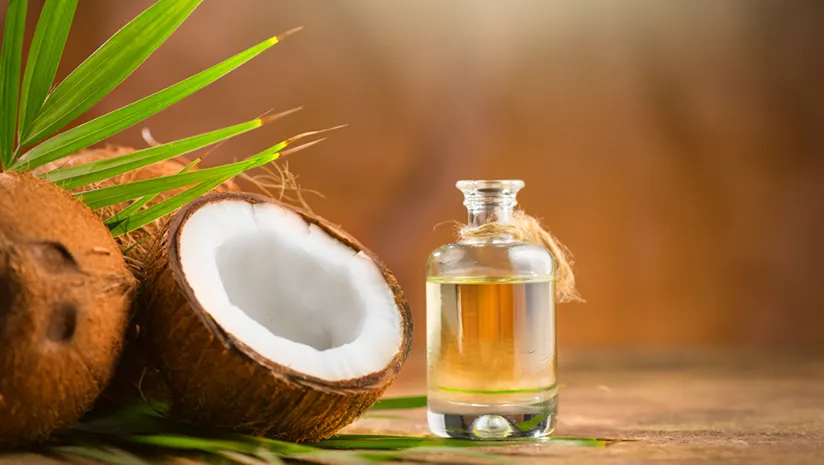
Coconuts, as a major tropical and subtropical oilseed plant, are mainly distributed in Southeast Asia, South America, and West Africa. Major producing countries include the Philippines, Thailand, Vietnam, Indonesia, Nigeria, and Brazil.
Coconut oil's unique fatty acid composition determines its high value and strong market demand. The main components of coconut oil are medium-chain fatty acids (C8, C10, C12, C14), which are primarily used in infant formula and high-end cosmetics.
| No. | Name | Formula | Palm Oil (PO)% | Palm Kernel Oil (PKO)% | Coconut Oil (CNO)% |
|---|---|---|---|---|---|
| 1 | Caproic Acid | C6H12O2 | — | 0.5 | 0.4 |
| 2 | Caprylic Acid | C8H16O2 | — | 3 | 8 |
| 3 | Capric Acid | C10H20O2 | — | 3 | 8 |
| 4 | Lauric Acid | C12H24O2 | 0.2 | 46.5 | 48 |
| 5 | Myristic Acid | C14H28O2 | 1.0 | 15.5 | 18 |
| 6 | Palmitic Acid | C16H32O2 | 39.8 | 9.9 | 9 |
| 7 | Stearic Acid | C18H36O2 | 4.4 | 2.4 | 2.5 |
| 8 | Oleic Acid | C18H34O2 | 42.5 | 16.5 | 6 |
| 9 | Linoleic Acid | C18H32O2 | 11.2 | 2.6 | 2 |
| 10 | Linolenic Acid | C18H30O2 | 0.37 | — | — |
| 11 | Arachidic Acid | C20H40O2 | 0.38 | — | — |
The effective utilization of each component of the coconut to achieve its highest commercial value has been widely promoted and applied. Coconut oil, as the main product of coconut processing, is the primary economic source of coconut production.
Our company mainly produces machinery and equipment for coconut oil and by-products. Years of R&D and processing experience have earned consistent praise from our customers. Maximizing the utilization value and economic benefits of coconuts is our commitment and pursuit to our customers.
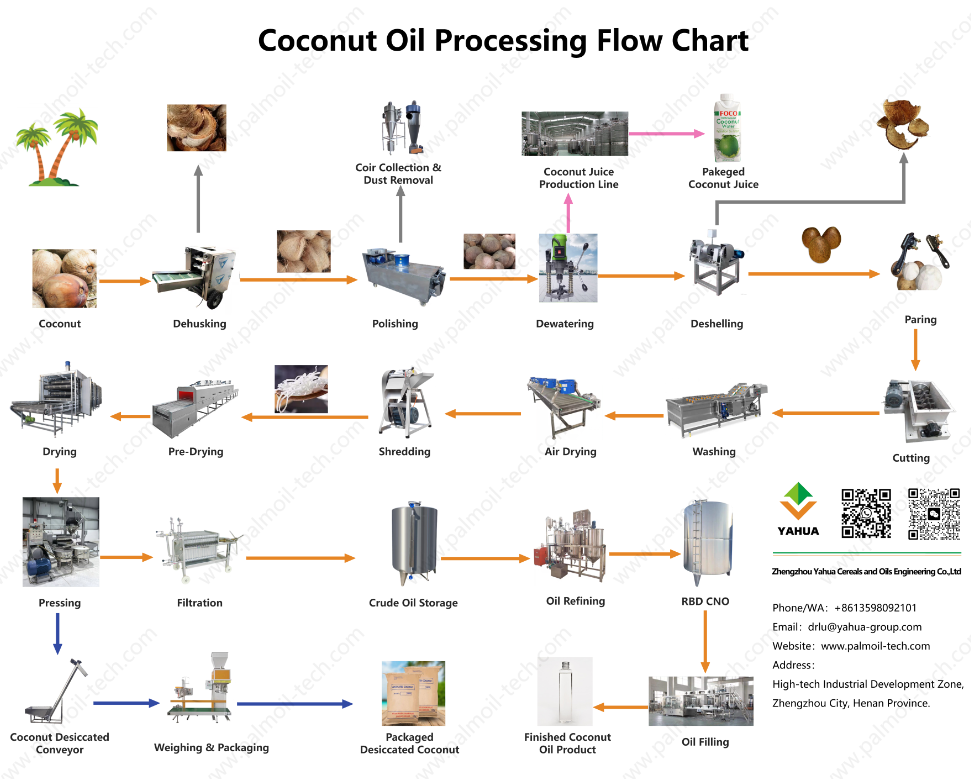
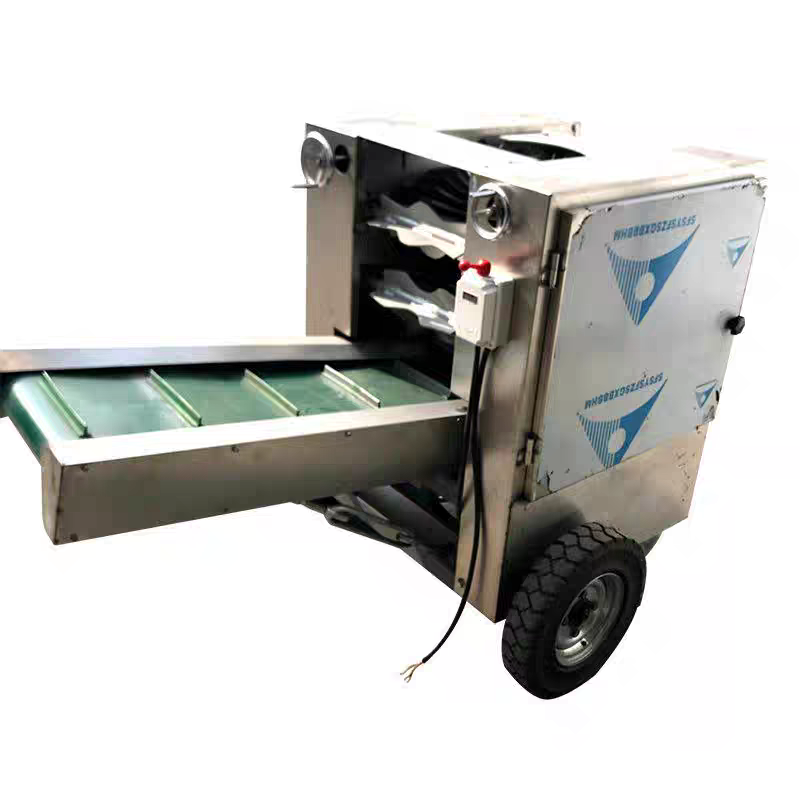
The outer husk of the coconut is removed using a specialized chain-type husking machine. This outer husk is processed into coir fiber, which is widely used as a raw material for mattresses and coco peat.
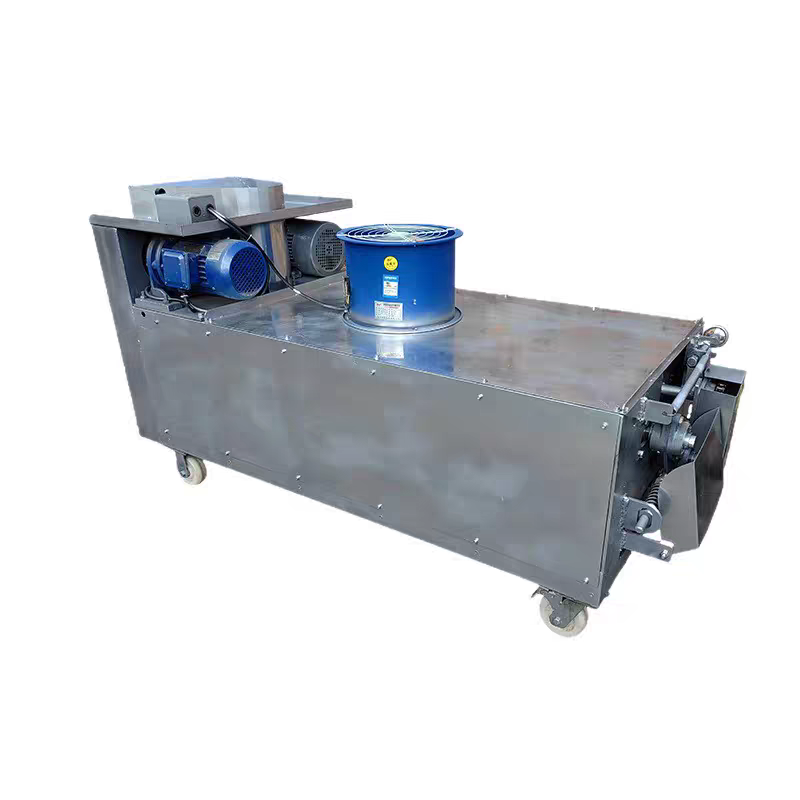
Even after husking, the coconut shell retains a lot of fibrous material. A polishing machine equipped with high-speed rotating steel wire brushes is used to friction-remove these surface fibers. This step facilitates subsequent processing. The removed fibers can be used to make coco peat, which improves soil aeration.
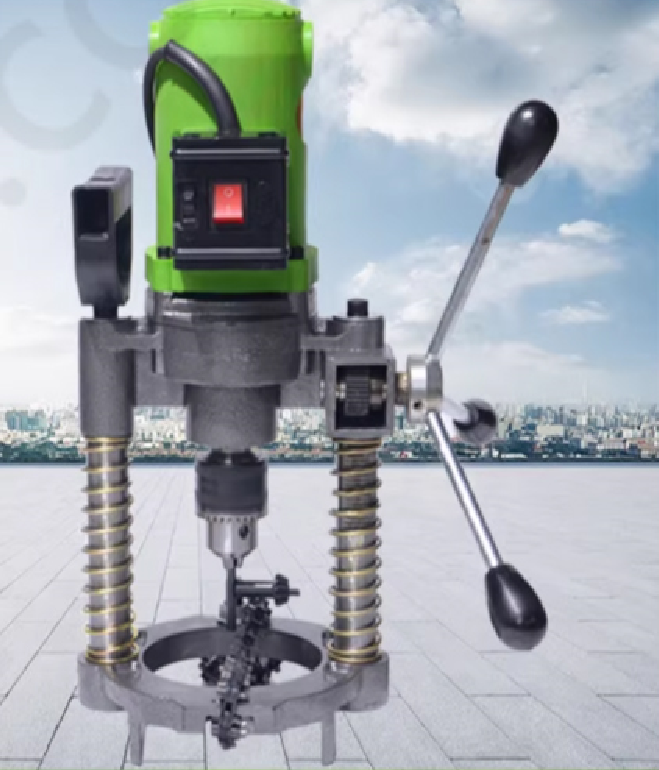
The polished coconuts are pierced using a drilling device to drain and collect the coconut water. This water serves as a raw material for natural beverages.
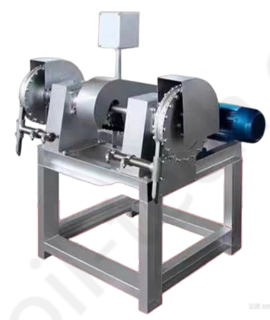
The drained coconuts are fed into a serrated shelling machine to remove the hard shell surrounding the meat. The coconut shells are high-quality raw materials for producing activated carbon.
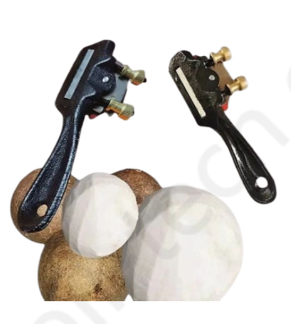
The surface of the deshelled coconut meat has a red inner skin (testa), which must be manually removed using specialized knives. This step is crucial to ensure the color and quality of the final coconut oil product.
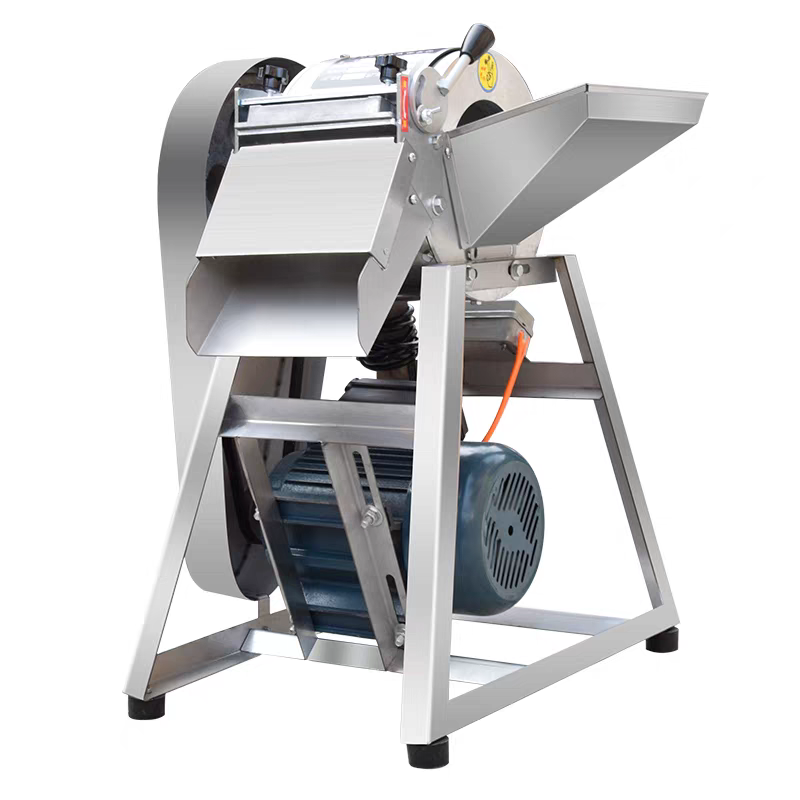
The whole coconut meat balls are cut into smaller chunks using rotary cutters to facilitate subsequent processing.
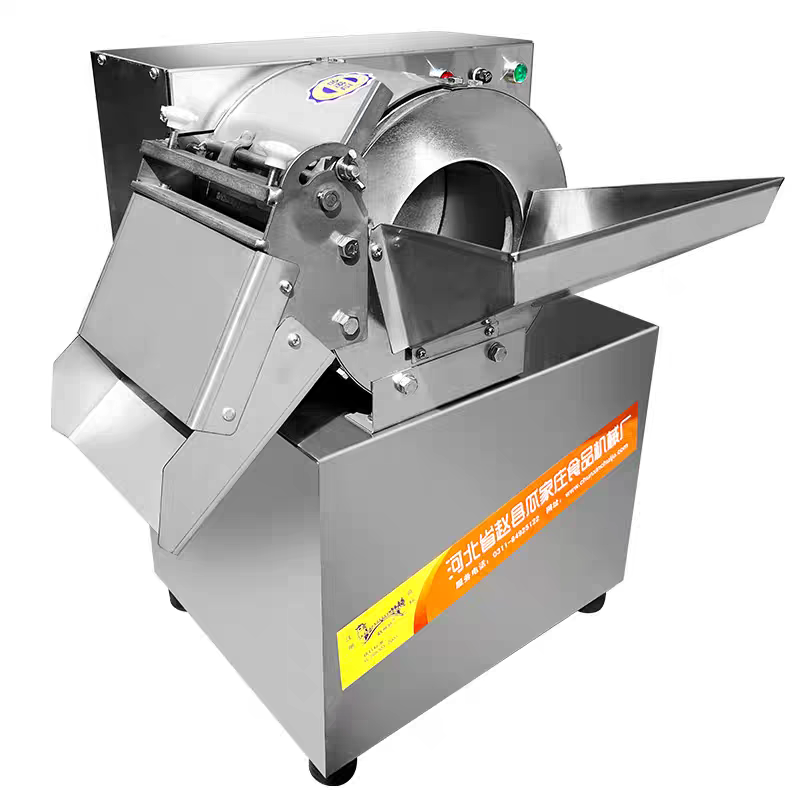
The small chunks of coconut meat are ground into granules. This prepares the meat for the drying and cooling processes that follow.
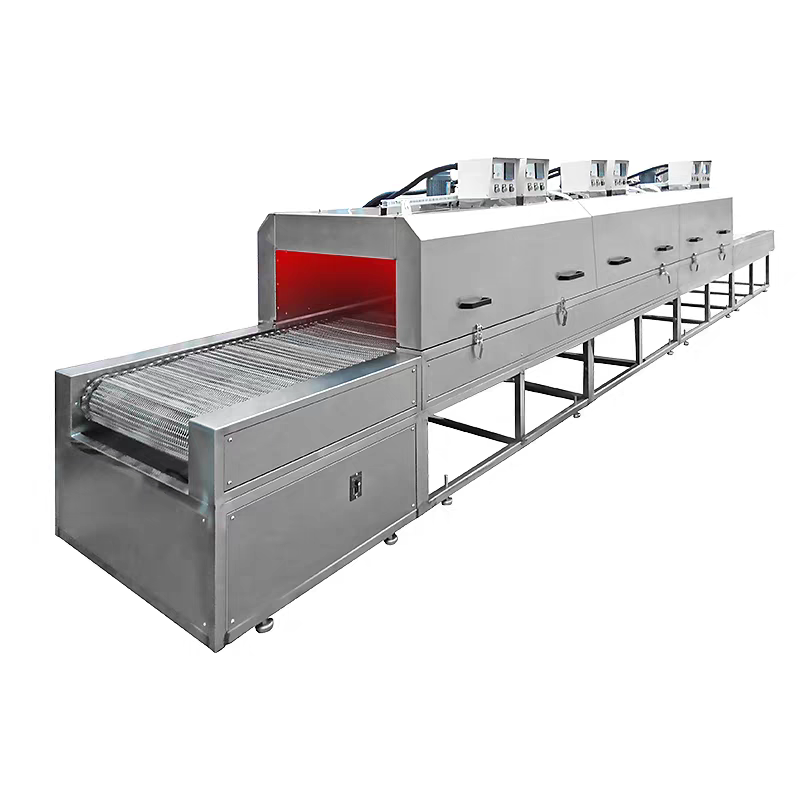
The ground coconut meal has high moisture content. It is dried using a chain-type reciprocating dryer at low temperatures. This preserves the nutritional value of the oil and prepares the meal for the screw pressing conditions.
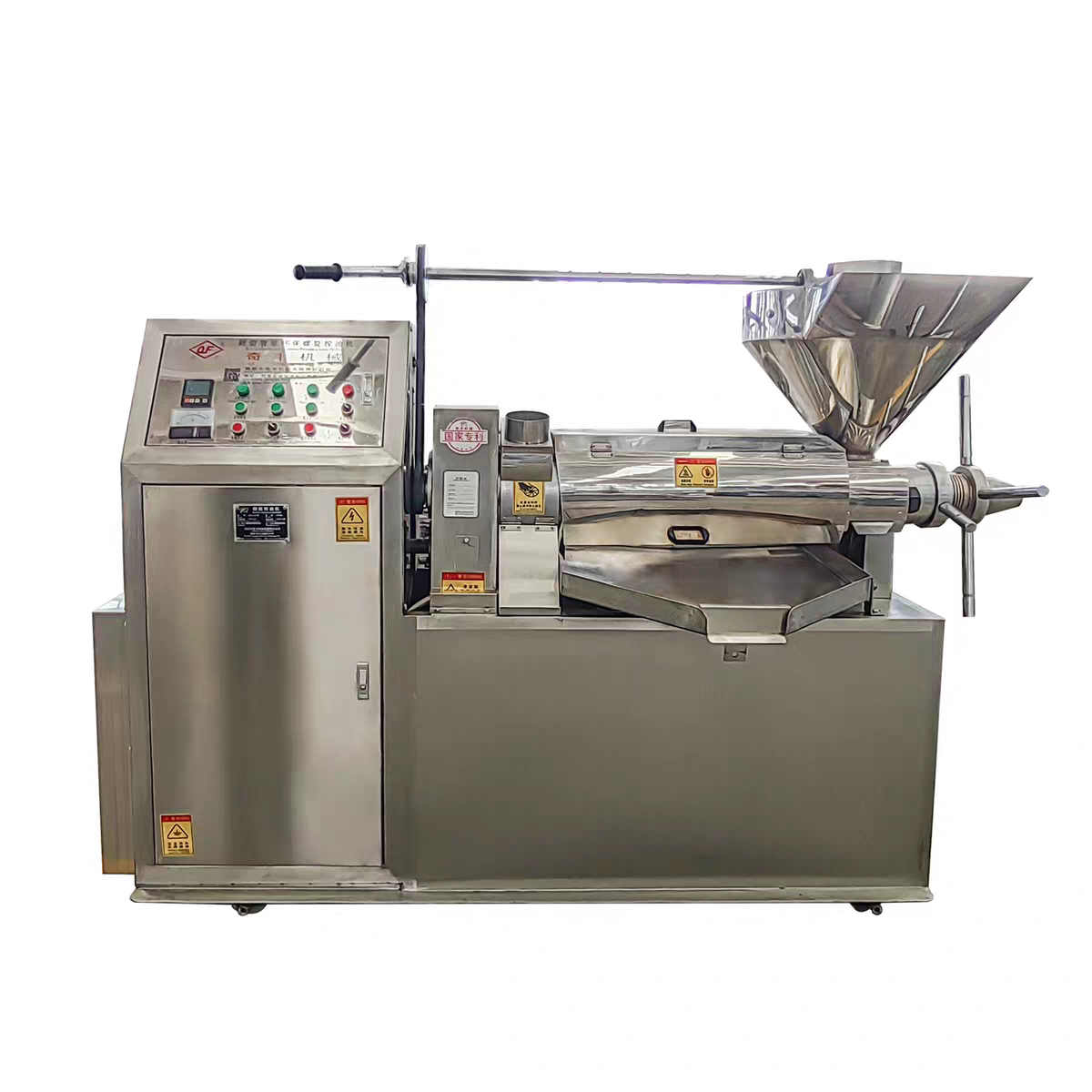
The dried coconut meal undergoes screw extrusion to extract the oil and moisture. The by-product, known as oil cake or press cake, is used as animal feed.
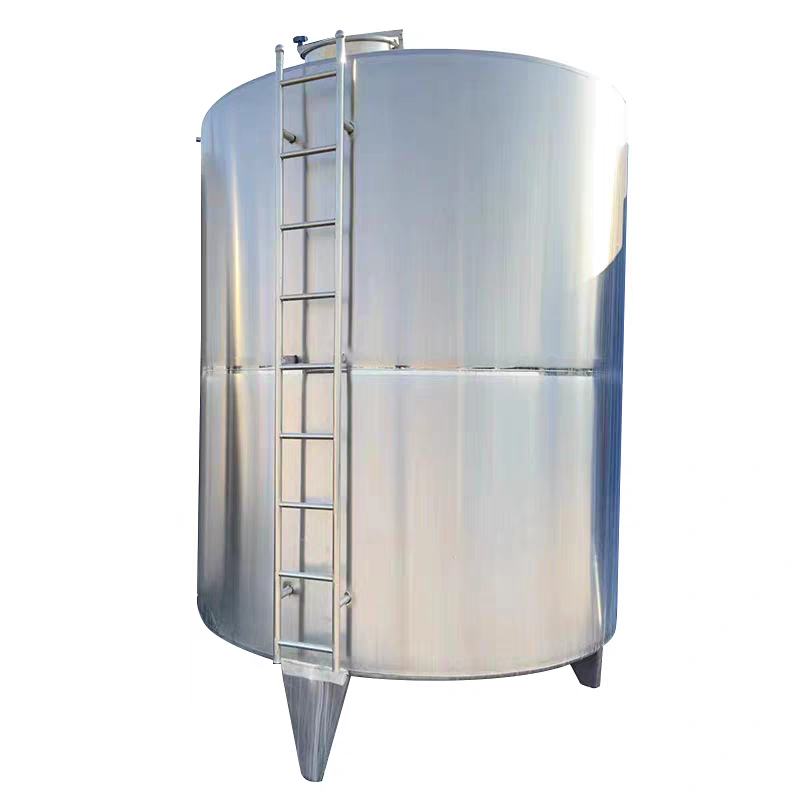
The crude coconut oil is separated from water through sedimentation and centrifugation to obtain standard crude coconut oil.
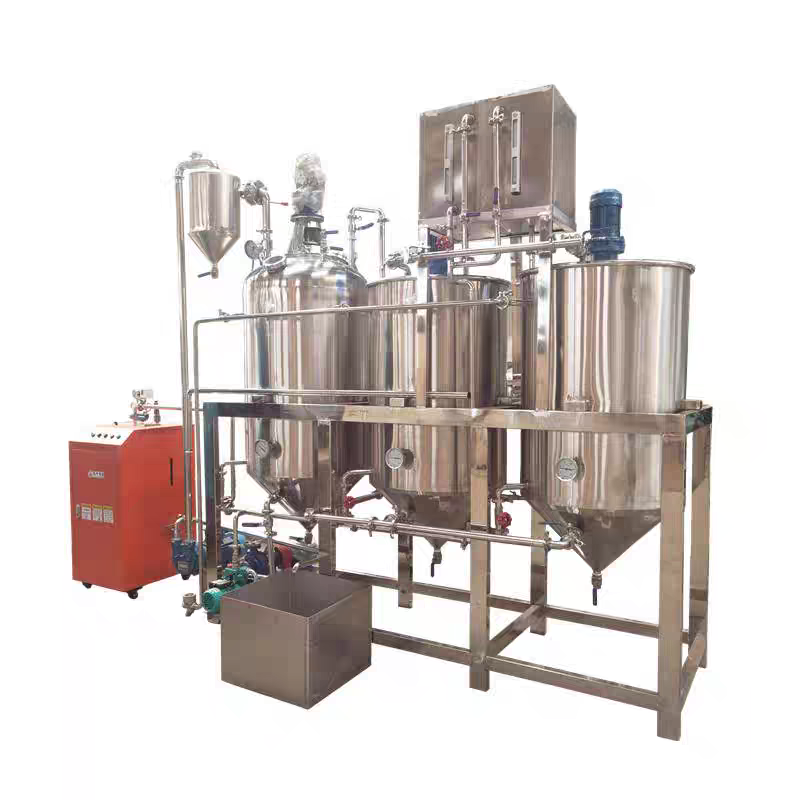
The crude coconut oil undergoes degumming, bleaching, deodorizing, and deacidification to reach food-grade standards (RBD CNO). The by-product, Distilled Fatty Acids, is in high demand in the high-end fatty acid market.
